The AI Blocked Me Mid-Pentest, and I Wasn't Even Mad
Wednesday I got stopped by a guardrail on my own machine, on a scope I'm allowed to be testing. My first reaction wasn't frustration. It was: good, it's actually paying attention.
Part 16 (alternate angle) of an ongoing series. [Start from Part 1.]
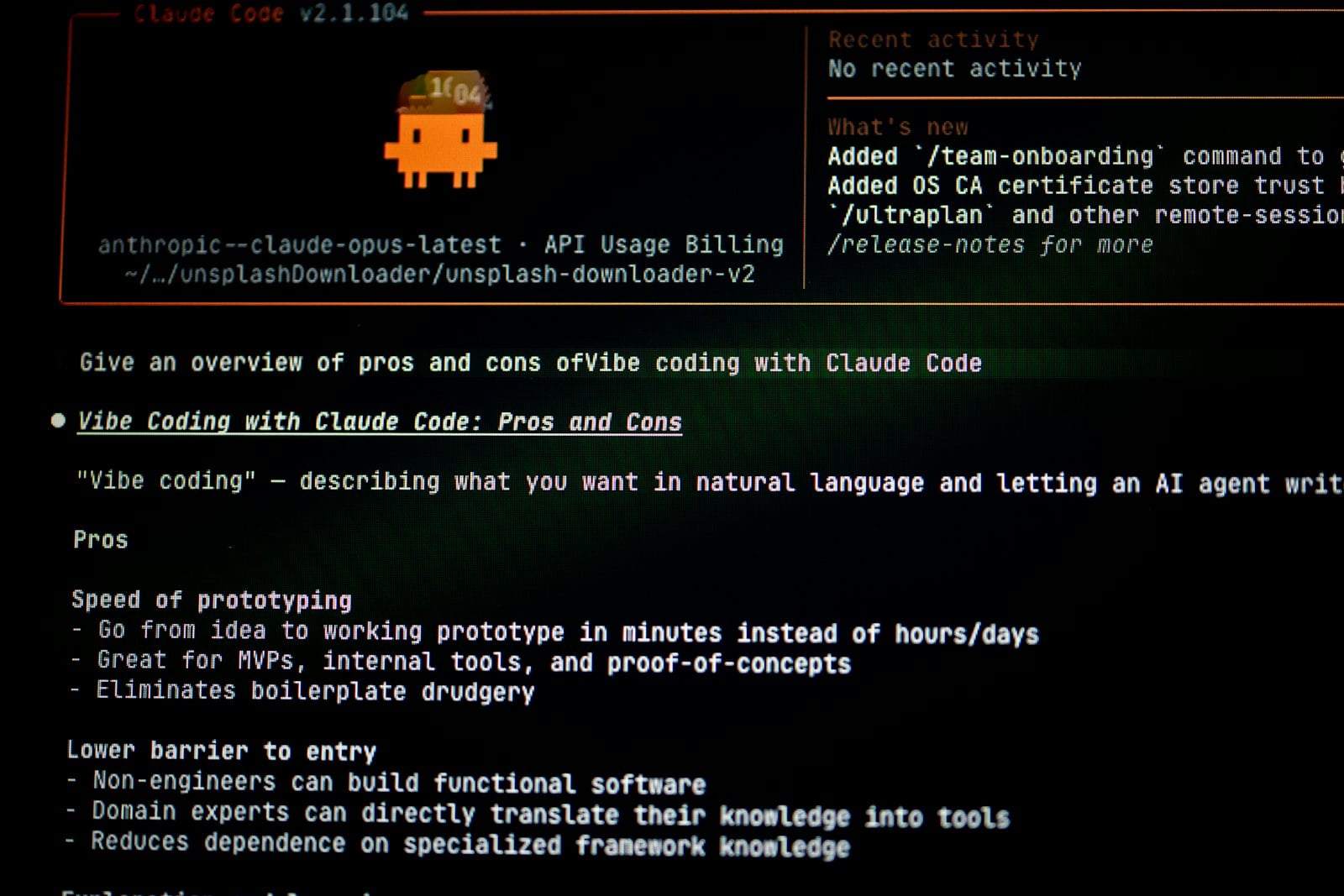
I was mid-task, deep in a pentesting exercise, working the problem out loud with Claude the way I've been doing most evenings this month — describe the target, describe what I'd tried, ask what's next. And then it stopped. Not confused, not lagging — refused. A guardrail, tripped by something in how I'd phrased the request, on work I have every right to be doing. I sat there for a second with the mild annoyance you'd expect. Then it turned into something closer to respect. The tool helping me think has a line it won't cross without more precision from me about what I'm doing and why. That's not a bug. In this field, that's the whole point of a guardrail — for anyone reading this without the context, without the why.
I wrote it down that night as the moment that stuck: that I was blocked by Anthropic. Not "that I got frustrated." Not "that I was slowed down." Just the plain fact of it, noted like a small, strange landmark in the day.
It landed differently because the day before, I'd already written the other half of this same lesson without connecting it yet. Tuesday's insight: I should be more precise, more in control of how I work with AI — I could've saved real time by being sharper about what I asked for instead of letting it guess at what I meant. Vague input, vague output. I know that sentence. I spent thirty years living inside it from the other side of the desk.
Every junior designer I ever briefed learned the same lesson the hard way, usually on their first big job: if you hand someone a loose idea and hope they fill in the gaps correctly, you don't get magic, you get a guess, and then you burn a day fixing the guess. The good creative directors I worked under — and I tried, not always successfully, to be one myself — briefed like it mattered. Specific audience. Specific tone. Specific constraint. Not because it limited the work, but because a sharp brief is what lets someone else's judgment actually meet yours instead of wandering off on its own.
I've been treating Claude like a junior who already knows the account, which is exactly backwards. It doesn't know the account. It knows what I tell it, and it makes reasonable guesses about what I didn't. Tuesday I lost time to a guess that wasn't wrong so much as generically right — technically responsive, not actually useful, because I hadn't been precise about the one detail that mattered. Wednesday the guessing hit a wall entirely: I'd been vague enough, or careless enough, that the system did the safe thing and stopped rather than guess wrong on something with real consequences.
Here's the part I want to be honest about instead of tidying up: getting blocked didn't feel like being caught doing something wrong. It felt like being reminded that precision isn't optional in this work the way it sometimes was in advertising, where a slightly-off brief just meant a slightly-off first draft and you'd iterate your way to good. In security, sloppy input to a tool — or to an AI, or to a scope document, or to yourself at 11pm three hours into a pentesting room — doesn't just cost you a wasted round. It's the difference between a controlled test and something you can't take back. The guardrail wasn't in my way. It was doing, in miniature, the exact thing I'm supposed to be learning to do myself: stop, ask what's actually being requested here, don't proceed on a guess.
I don't think the fix is "write better prompts," though that's not wrong either. I think the fix is the same one from the brief-writing years: be specific about the goal, the scope, the constraint, before you hand the work to anyone — human, junior, or model. I got fast at skipping that step in advertising once I'd done it ten thousand times and could feel the shortcuts. I don't get to skip it here yet. Maybe I never fully will, and that might be the actual lesson, not a phase I graduate out of.
So: blocked mid-pentest, Wednesday, by the tool I lean on most. Not mad. Taking notes.